What Are Peptides? Types, How They Work and What the Science Actually Says
A plain English guide to what peptides are, what they do and why the evidence matters.

Deep dives into the peptides people are searching for, the studies behind them, and the difference between promising research and established evidence.
A plain English guide to what peptides are, what they do and why the evidence matters.
Retatrutide may be the most talked about weight management drug you cannot currently be prescribed. It is also a good example of why promising, proven and approved are three different words.
BPC-157 is not a compound without research. It is a compound with a great deal of one kind of research, in animals, and very little of the kind that matters most, in people.
The three are often described as three generations of the same drug. That is handy shorthand, but it is not quite right. They act on different combinations of receptors, and the evidence behind them is very different in kind.
Copper peptides sound like something from a laboratory rather than a bathroom cabinet, but the idea is simple: bind copper to a small peptide and see whether it changes how cells behave. The honest answer depends on whether you mean an interesting ingredient, a tested formula or a proven treatment.
Why combining two different peptides in one syringe can alter or destroy the compounds.
How two distinct repair mechanisms are combined in experimental tissue recovery.
Why targeting two separate pituitary receptors produces a synergistic growth hormone response.
How a naturally occurring copper peptide rebuilds the thin skin around the eyes.
Why continuous peptide stimulation can shut down your hormones, and what the human kisspeptin data actually shows.
How GHRH analogues and ghrelin mimetics make the pituitary release its own growth hormone.
The doses used in published human trials.
Blood concentration and biological response are different pieces of peptide evidence.
Why researchers combine peptides and where the clinical evidence stops.
Why the biological mechanism of follistatin does not support the use of black market injectable peptides.
Clarifying the origins of P21 and objectively reviewing the rodent data on neurogenesis.
Separating the natural muscle repair biology of IGF-1Ec from the unproven synthetic peptide.
How structural changes create two very different IGF-1 analogues.
What the phase 2 human trials actually reveal about ARA-290 and nerve repair.
What the human clinical data actually says about the widely discussed brain peptide mixture.
Why this experimental compound lacks the human evidence to support its cognitive claims.
Learn what different peptide studies can prove, and what they cannot.
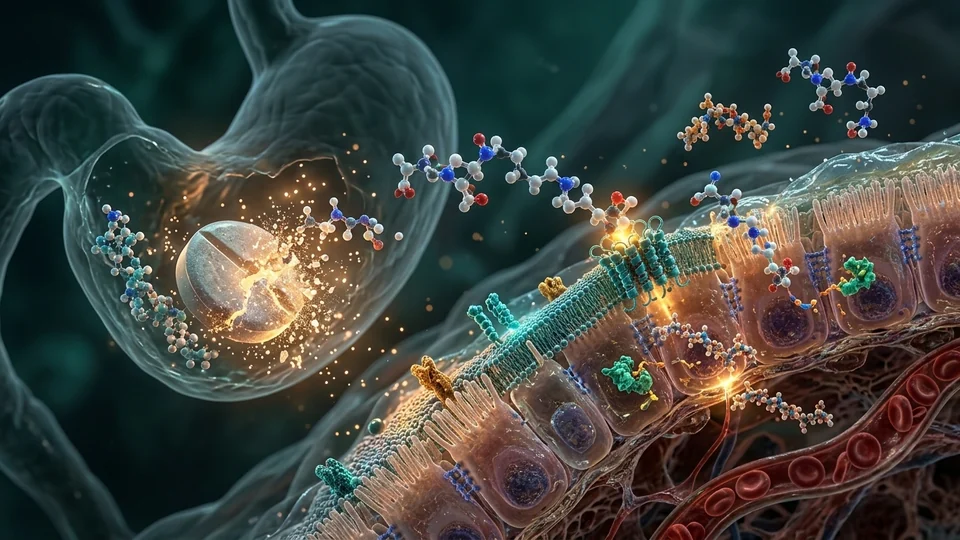
Why peptide tablets are difficult, and what oral semaglutide teaches us about solving the problem.
Why one peptide disappears in minutes while another remains in circulation for days.
FDA approval is real, but it applies to one rare disease and a very specific evidence base.
Reconstitution is simple in concept, but product specific stability and sterility rules are where mistakes begin.
Phase 3 data are strong, but the newest US trial adds important context.
A 99% purity claim can be real and still leave important questions unanswered.
Phase 3 is positive, but the headline 16.6% needs context.
Three famous cosmetic peptides, three different mechanisms, and a much smaller evidence base than the marketing suggests.
Two mitochondrial peptides, two very different evidence records.
Decades of human research, promising early signals, and two large trials that changed the picture.
A fat loss peptide that reached large human trials, then failed the test that mattered most.
A plain English guide to what peptides are, what they do and why the evidence matters.
What retatrutide is, why it is getting attention and what current trials actually show.
A clear look at the gap between BPC-157 hype, animal research and the very limited human data.
A straightforward comparison of how these three metabolic drugs work and what separates them.
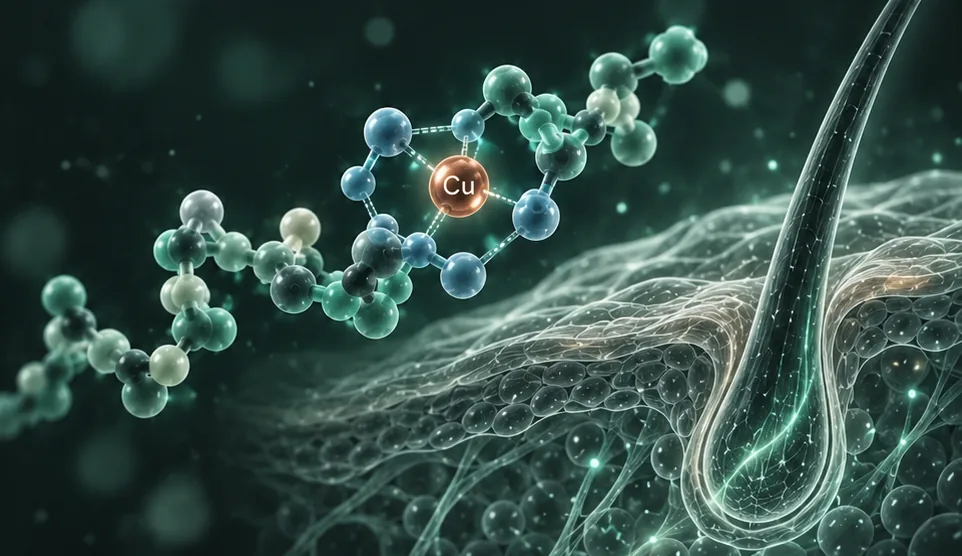
A plain English look at what copper peptides are, how GHK-Cu is used and what the evidence says for skin and hair.
Which weight loss peptides have real human evidence and which claims run ahead of the science.
An evidence led guide to what TB-500 is, how it relates to thymosin beta-4 and where confusion often starts.
A clear side by side look at how these two recovery peptides differ and what the evidence actually supports.
What current research says about injury recovery peptides, tissue repair and the evidence behind the claims.
A straightforward guide to why CJC-1295 and ipamorelin are paired and what the human research actually shows.
Why BPC-157 and TB-500 are sold together, and the trial that would settle it has not been done.
The hair study everyone cites tested a different copper peptide, and the newest human report used three drugs at once.
An amylin drug added to semaglutide beats semaglutide alone, but it did not keep pace with tirzepatide head to head.
Four growth hormone peptides that sound alike, with very different evidence behind them.
The tanning peptide that clearly works on skin, and why that is only half the story.
Four interesting molecules in one vial do not add up to four evidence bases, and nobody has tested the mix.
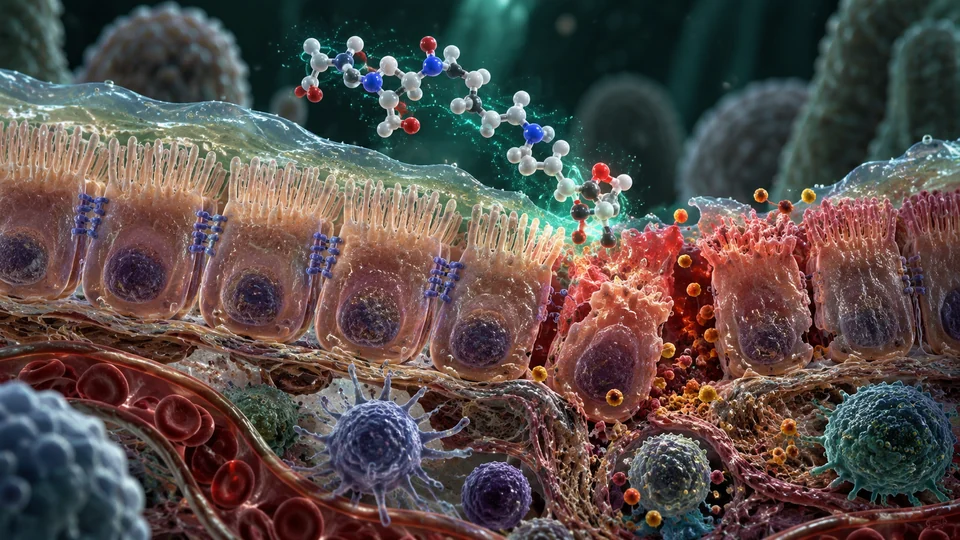
A tiny fragment of a natural hormone with good mouse colitis data and no human studies at all.
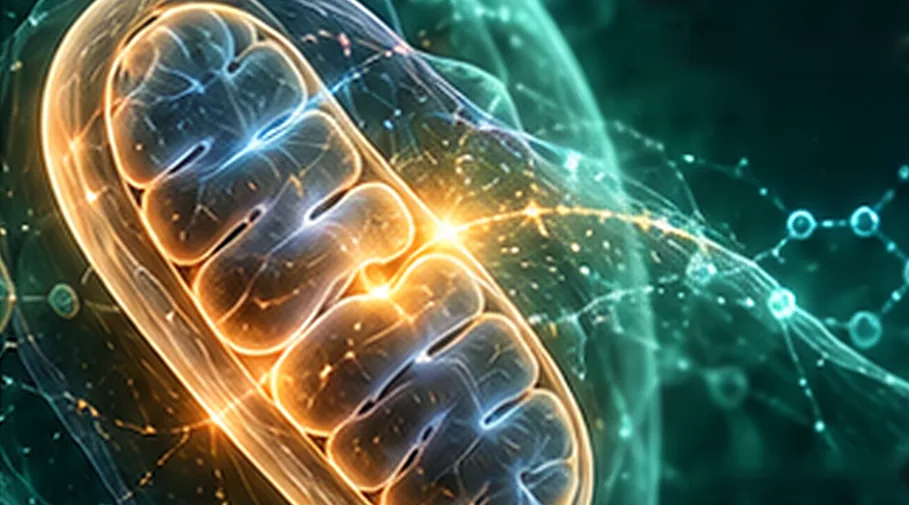
A peptide made by mitochondria with striking mouse results, and no completed human treatment trial.
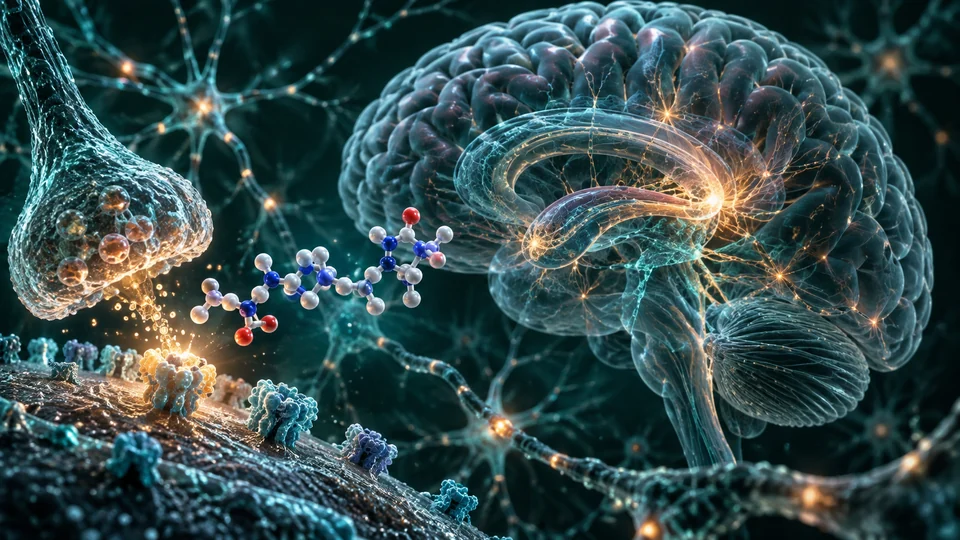
Real Russian stroke research, a large animal literature, and much less behind the nootropic claims.
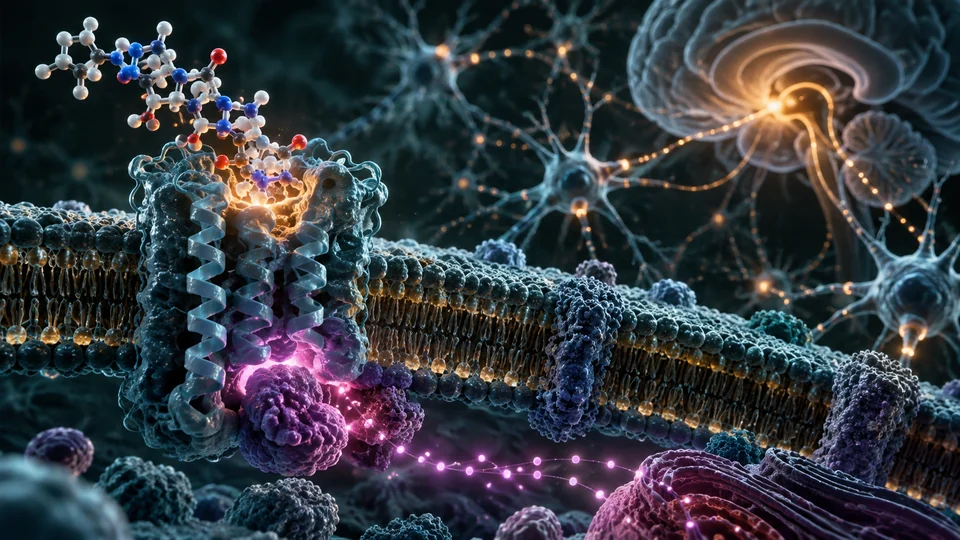
The rare online peptide that became a real medicine, and why its approval is much narrower than the marketing.
How amino acids become peptides, why purification matters and what a purity percentage really tells you.
No published post matches. Every compound already has an evidence record in the peptide directory, and the studies index is searchable too.
Looking for a specific molecule rather than a question? The peptide directory holds the structured evidence record for all 196 compounds.