Metabolic & incretin
GLP-1 and dual agonists. The most rigorously trialled peptide class in current medicine.
High-quality evidence
No jargon, no lectures, no sales pitch. Helen knows all 196 compounds in our library and will tell you plainly what the evidence actually says.
EVERY ENTRY TRACES BACK TO PRIMARY SOURCES
WHERE MOST PEOPLE START
Three ideas explain most of what makes peptides useful, and most of what makes them difficult.
A peptide is a chain of amino acids joined by peptide bonds, conventionally fewer than about fifty residues, above which we call it a protein. That sequence dictates the folded shape, and the shape dictates which receptor it can occupy.
Change one residue and you can abolish binding entirely, or turn an agonist into an antagonist. This is why "similar peptide" almost never means "similar effect".
Read the structure primer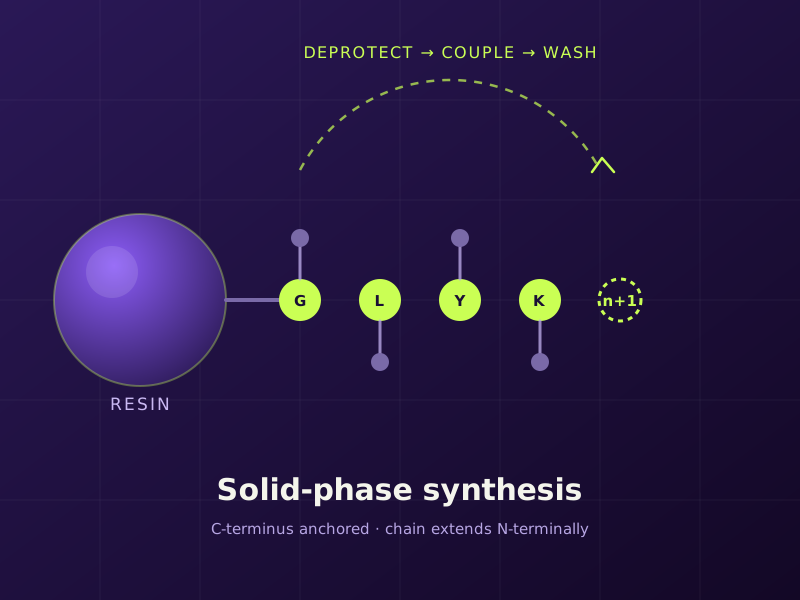
Peptides are food. Swallow one and digestive proteases dismantle it before absorption; inject it and circulating peptidases plus renal filtration clear it fast. Native GLP-1 has a half-life measured in a couple of minutes.
Every commercially successful peptide drug solves this: through cyclisation, D-amino acid substitution, PEGylation or fatty-acid lipidation that borrows albumin's long residence in the blood.
See the four stabilisation routes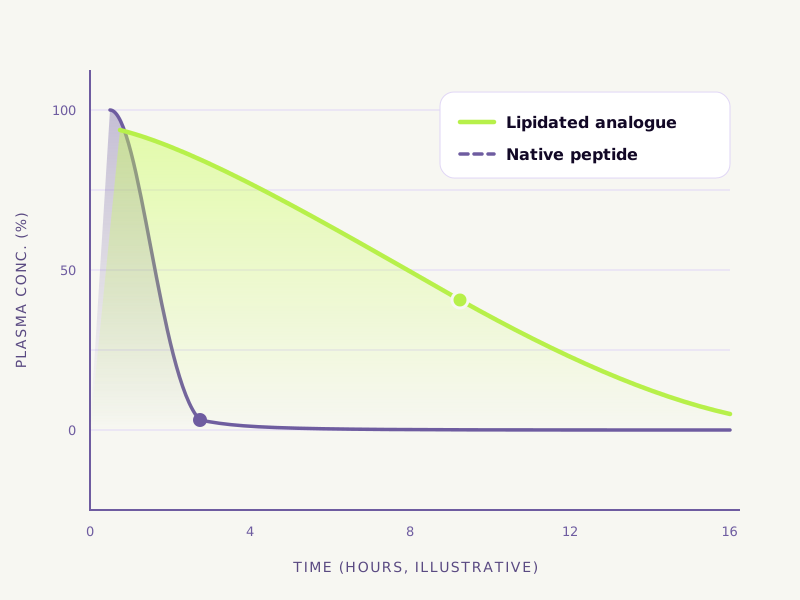
Peptides bury a large surface against their target, which lets them hit receptors and protein-protein interfaces that small molecules find "undruggable". High selectivity generally means fewer off-target effects.
The trade-off is delivery, cost of synthesis, and (for anything not through a regulator) an evidence base that is often thin, preclinical, or industry-funded.
How we grade the evidence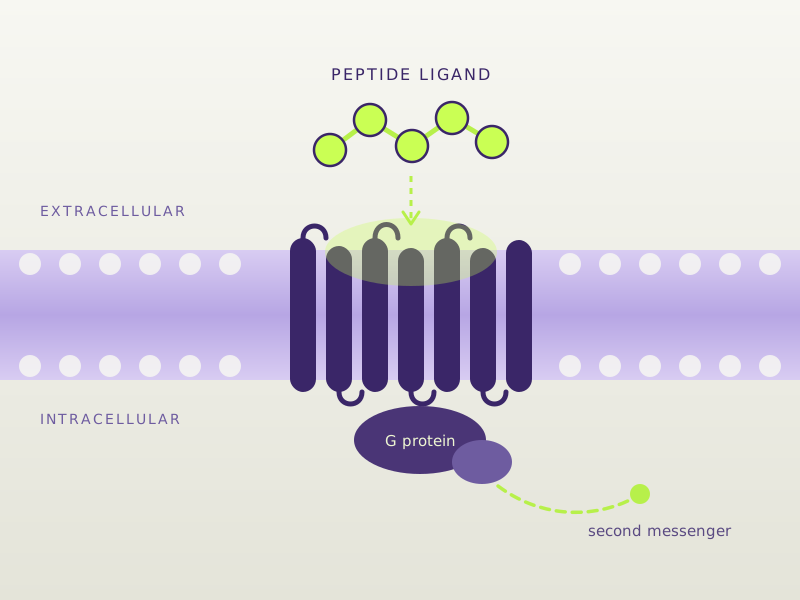
GLP-1 and dual agonists. The most rigorously trialled peptide class in current medicine.
High-quality evidenceSecretagogues and releasing-hormone analogues acting upstream of the pituitary.
Mixed evidenceWidely discussed, largely preclinical. A useful case study in evidence inflation.
PreclinicalThymic peptides and host-defence peptides that tune immune signalling.
Mixed evidencePeptides acting on the CNS, and the blood-brain barrier problem they all face.
Limited evidenceTopical signal and carrier peptides, the class with the most modest, best-defined claims.
Mixed evidenceHost-defence peptides as a response to resistance, and why so few reach approval.
PreclinicalRadiolabelled targeting peptides used to find tumours rather than treat them.
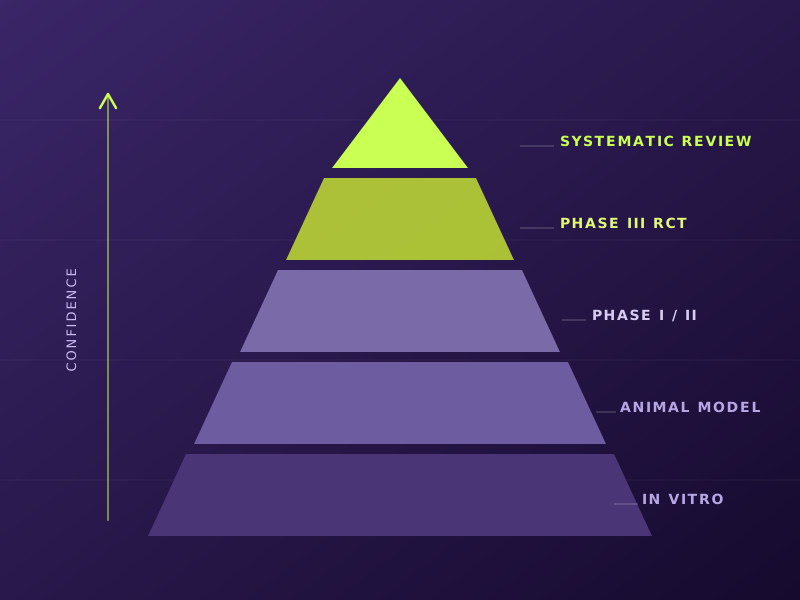
High-quality evidencePeptide discussion online routinely cites a mouse study as if it were a phase III trial. Every entry in this library carries an explicit tier, so you can see the distance between "interesting" and "established".
Replicated randomised controlled trials in humans, or regulator-approved labelling. This grades how well the compound has been studied. A few well-studied compounds have consistently negative results.
Human trials exist but are small, conflicting, short, or narrowly scoped.
Isolated human data, often unblinded, uncontrolled or industry-authored.
Cell culture and animal work only. No reliable human efficacy or safety data.
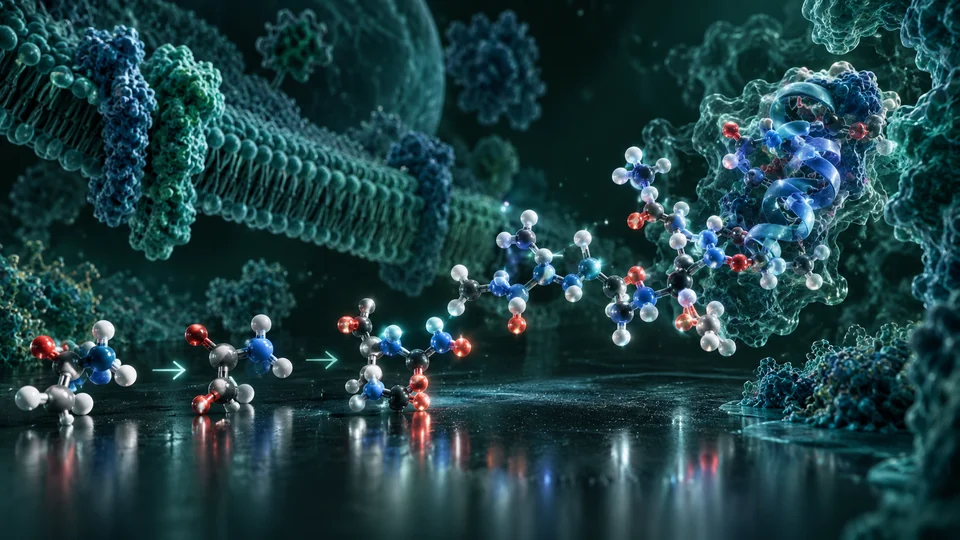
A plain English guide to what peptides are, what they do and why the evidence matters.
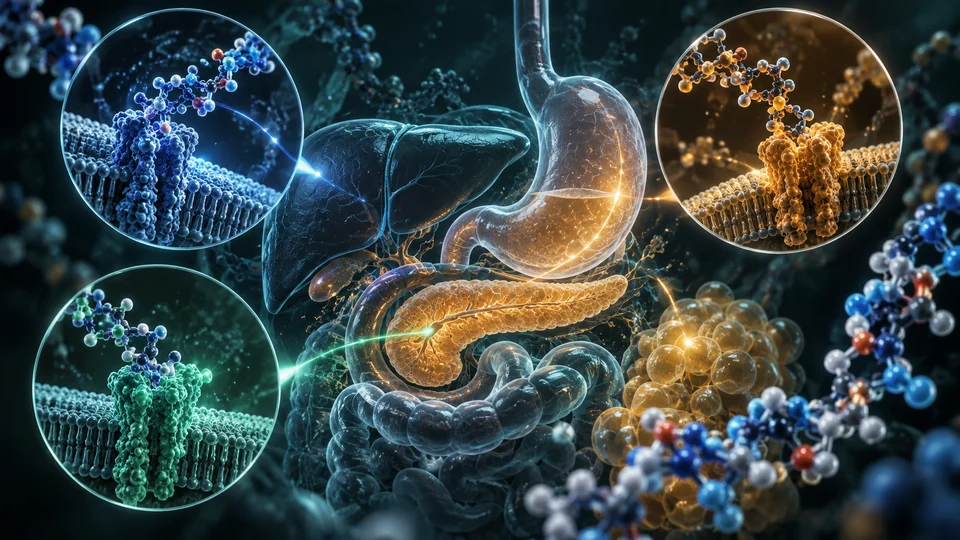
What retatrutide is, why it is getting attention and what current trials actually show.
A clear look at the gap between BPC-157 hype, animal research and the very limited human data.
No. BioRx does not publish dosing protocols, sourcing guidance, or personal recommendations, and it does not sell anything. It explains what a peptide is, what it does mechanistically, and how strong the evidence is. Decisions about your own health belong with a qualified clinician who knows your history.
It depends entirely on the molecule and the jurisdiction. Some are approved prescription medicines with decades of trial data. Some are investigational compounds sold only for laboratory use. Some are cosmetic ingredients. Many discussed online occupy none of these categories legitimately. The library records regulatory status per entry because the label matters more than the chemistry for most practical questions.
Because most trace back to a small number of preclinical papers that get recycled through marketing copy until the hedging disappears. A rat tendon study becomes "accelerates healing"; a cell-culture assay becomes "reduces inflammation". Our grading exists specifically to make that gap visible at a glance.
Entries carry a review date and the tier assigned at that review. When a trial reads out, the tier can move in either direction. Promising compounds get downgraded when larger studies fail to replicate, which happens more often than the enthusiasm online suggests.
See About for the editorial policy, conflict-of-interest statement, and correction process. In short: no commercial relationships with manufacturers, compounders, or retailers, and corrections are published rather than silently edited.
Structure, synthesis, pharmacokinetics, receptor pharmacology, evidence appraisal, quality control and regulation. In order, roughly ninety minutes end to end. Free, no account.
Bonds, sequence, and the arbitrary line between peptide and protein.
Solid-phase synthesis, recombinant routes, and where impurities come from.
Absorption, proteolysis, renal clearance, and half-life engineering.